What is ETFE spray coating for pharmaceutical cans
Information summary:In the pharmaceutical industry, "ETFE spray coating for pharmaceutical tanks" refers to using ETFE (ethylene tetrafluoroethylene copolymer, commonly known as "fluoroplastic 40") as a coating material, and uniformly covering the inner wall surface of pharmaceutical tanks (such as reaction tanks, storage tanks, mixing tanks and other core equipment) through professional spraying technology, forming
In the pharmaceutical industry, "ETFE spray coating for pharmaceutical tanks" refers to using ETFE (ethylene tetrafluoroethylene copolymer, commonly known as "fluoroplastic 40") as a coating material, and uniformly covering the inner wall surface of pharmaceutical tanks (such as reaction tanks, storage tanks, mixing tanks and other core equipment) through professional spraying technology, forming a dense and stable protective film. Its essence is to provide pharmaceutical tanks with an inert, corrosion-resistant, and easily cleanable inner wall environment that meets GMP (Good Manufacturing Practice) requirements, ensuring the safety and compliance of the drug production process.
1、 Core concept: What is ETFE?
ETFE is a high-performance fluorinated polymer that combines the chemical stability of fluoroplastics with the processing flexibility of plastics. Its key characteristics fully meet the demanding requirements of the pharmaceutical industry
Chemical inertness: does not react with strong acids (such as hydrochloric acid, sulfuric acid), strong bases (such as sodium hydroxide), organic solvents (such as ethanol, acetone), and the vast majority of pharmaceutical raw materials, to avoid coating leaching and contamination of drugs.
High temperature resistance: The long-term use temperature range can reach -200 ℃~150 ℃, and it can withstand high temperature sterilization (such as 121 ℃ wet heat sterilization) or low temperature refrigeration during the pharmaceutical process. The coating does not peel off or deform.
Lower surface energy: The surface is smooth and non stick, making it difficult for pharmaceutical raw materials/solutions to adhere. This not only reduces material residue but also allows for quick cleaning (in accordance with GMP requirements for "no dead corners cleaning"), reducing the risk of cross contamination.
High mechanical strength: The coating is wear-resistant and impact resistant, and can withstand the friction of daily mixing and material transportation of pharmaceutical tanks. It is not easy to scratch or peel off after long-term use.
Hygiene compliance: ETFE itself is non-toxic and odorless, and has passed authoritative certifications such as FDA (US Food and Drug Administration) and EU 10/2011 (EU Food Contact Materials Regulation), meeting the hygiene standards of the pharmaceutical industry for "materials in direct contact with drugs".
2、 Requirements for the key process of ETFE spraying on pharmaceutical cans
ETFE spraying is not just about "coating one layer", it must strictly follow the pharmaceutical industry standards, and the core process and requirements are as follows:
Substrate pretreatment:
First, sandblasting, degreasing, acid washing and other treatments are carried out on the inner wall of the pharmaceutical tank (usually 316L stainless steel) to remove surface oil stains, rust and oxide layers, forming a uniform and rough "anchoring structure" on the substrate surface - ensuring that the ETFE coating can adhere tightly and avoid later detachment.
Spraying process:
Adopting the "electrostatic powder spraying" or "melt spraying" process: ETFE powder is adsorbed onto the inner wall of the tank through high-voltage electrostatic adsorption, and then heated in a high-temperature solidification furnace (about 250 ℃~300 ℃) to melt, level, and solidify the ETFE powder, forming a uniform thickness (usually 0.2~0.5mm) dense coating.
Post processing and detection:
After curing, the coating needs to be polished and polished to ensure a smooth and flawless surface; Simultaneously, multiple tests must be passed:
Adhesion testing: Use the scratch or pull method to test the bonding strength between the coating and the substrate;
Sealing test: Confirm that the coating has no pinholes or cracks through helium leak detection or pressure testing;
Hygiene testing: Check for dissolved substances and heavy metals in the coating to ensure compliance with GMP requirements.
3、 Applicable scenarios: Which pharmaceutical cans need to be coated with ETFE?
Not all pharmaceutical cans need to be coated with ETFE, mainly suitable for scenarios where they come into contact with highly corrosive, high-purity, or easily contaminated drugs
Chemical raw material production tank: a reaction tank that requires contact with strong acid or strong base catalysts during the synthesis of antibiotics and other processes;
High purity liquid storage tanks: such as storage tanks for injections and biologics (such as vaccines and monoclonal antibodies), should avoid metal ion leaching and contamination;
Aseptic preparation mixing tank: such as mixing tanks for oral liquids and eye drops, must meet the sterile requirements of "easy to clean and residue free";
Special material handling tank: such as tanks for handling high viscosity and easily sticky wall materials (such as syrup, ointment base), ETFE's non stickiness can reduce material waste.

 Service hotline:
 Wechat number:wechat number



 National Service Hotline

 Service hotline:0512-69211270
 Company address:1188 CUIZHOU Road, Lili Town, Wujiang District, Suzhou
 contacts:Deng Guangcai 13912602396
 contacts:Long Yanqiao 15995489385


 CN
CN EN
EN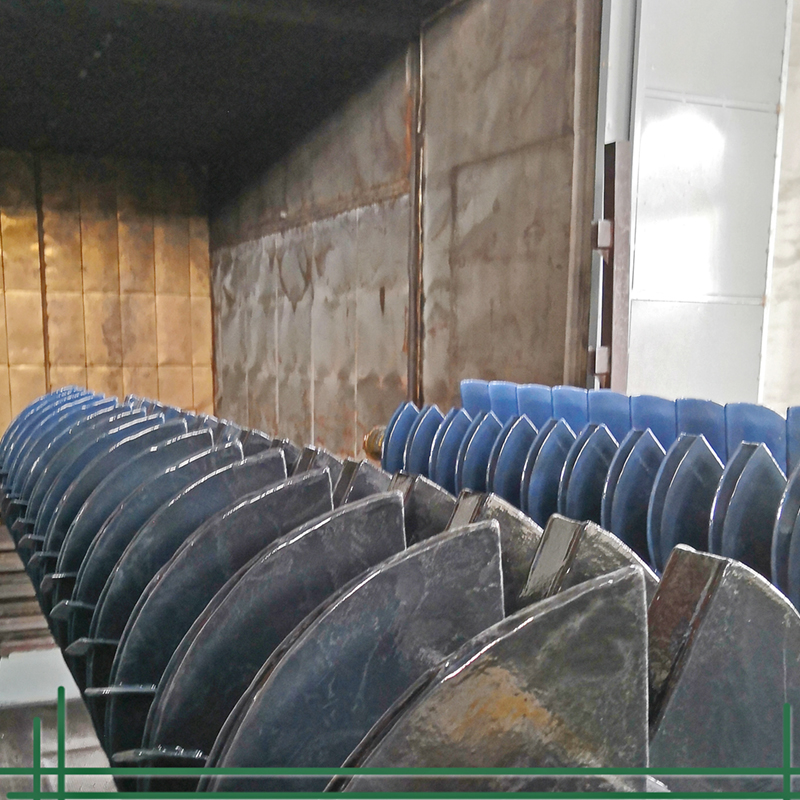
 Add wechat
 Contact us
 Telephone consultation